


Why Your Teeth Hurt When the Weather Changes
Have you ever stepped outside into the cold and felt a sudden, sharp pain shoot through one of your teeth? It might feel random, but weather-related tooth pain is a...
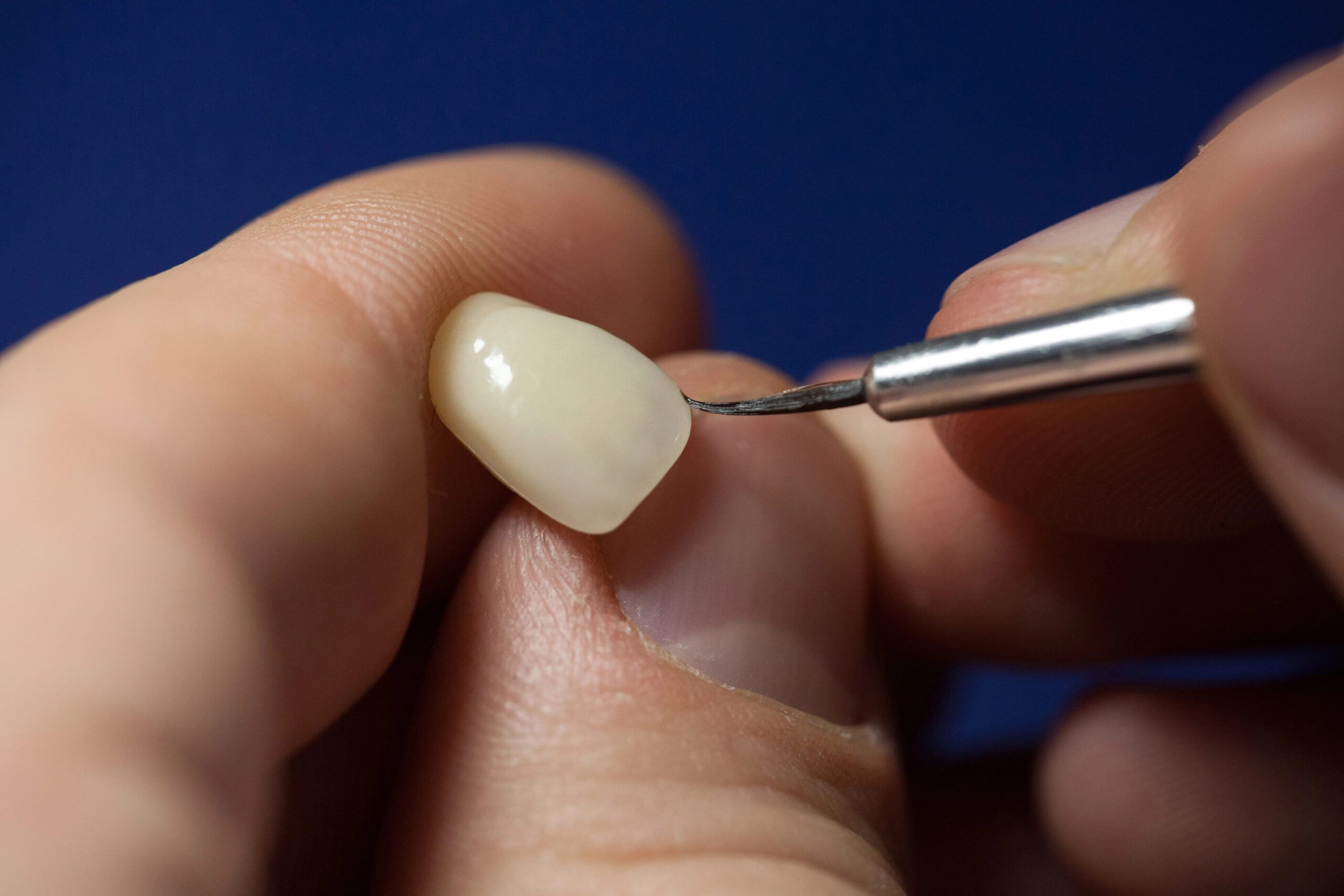
Many of us have dental crowns as they are one of the more common dental restorations done. Since their job is to protect your remaining tooth, they are made to last.
But while dental crowns are incredibly durable, they are not indestructible. Experiencing a failed crown is more common than you might think. It can be startling when your crown cracks, loosens, or falls off, but don’t panic! Knowing what to do can keep you calm and help you get your smile whole again ASAP.
A dental crown is a sturdy and durable cover that protects a damaged tooth underneath. It can fail for a variety of reasons, ranging from simple wear and tear to underlying health issues. Being aware of the common causes can help you protect your investment and recognize warning signs early.
While a crown may be used to cover a tooth after treatment for significant decay, it doesn’t guarantee that decay won’t occur again. The crown itself cannot decay, but the natural tooth structure underneath it can. If bacteria and plaque get under the edges of the crown, a new cavity can form, weakening the tooth and compromising the crown’s foundation.
The dental cement used to bond the crown to your tooth is specifically made for this purpose, and it is designed to bond your crown to your tooth for a long time. However, it is still possible for this cement to degrade. This can cause the crown to become loose and eventually fall off.
Clenching or grinding your teeth puts a great deal of pressure on your crowns. This constant force can cause the porcelain to chip, crack, or fracture. An improper bite can also create uneven pressure points, leading to failure.
A direct blow to the mouth from an accident or biting down on something extremely hard (like ice or a nut shell) can easily chip or dislodge a crown.
If you notice a loose, broken, or missing crown, it should be managed as soon as possible. Here are the essential steps to take as soon as you notice a problem.
Contact your dentist’s office right away and explain the situation. We will want to schedule an appointment quickly. The underlying tooth may be exposed and vulnerable to damage, sensitivity, and decay. Delaying treatment can lead to more complex and costly problems, such as needing a root canal or even an extraction.
If the crown has fallen out completely, carefully remove it from your mouth to avoid swallowing or inhaling it. Rinse it with water and store it in a small, secure container. It’s important to bring the crown with you to your dental appointment, as it may be possible to re-cement it. Do not attempt to reattach the crown yourself with over-the-counter glues, as this can damage the crown and your tooth.
If your crown is damaged, avoid further issues by not chewing on the side of your mouth where the crown is located. In addition, if your crown came off, the exposed tooth tissue can be very sensitive to temperature and pressure. Steer clear of very hot, cold, or sugary foods and drinks.
If you require a replacement crown, ask about CEREC. Traditional crowns require multiple visits to place a temporary crown while you wait for your permanent crown to be fabricated. With CEREC, your new permanent crown is created while you wait. This new technology is not only more convenient for you, but you can know your compromised tooth is protected with a durable, permanent crown in just one visit.
Once your crown is repaired or replaced, you’ll want to do everything you can to ensure it lasts. Prevention is the best medicine for protecting your dental work.
If you are experiencing issues with a dental crown, contact our office ASAP to schedule an emergency appointment!