


What to Eat (and Avoid) After a Tooth Extraction
Having a tooth removed is rarely anyone's idea of a good time, but if you are having an extraction, you may wonder if you’ll need to eat differently and for...
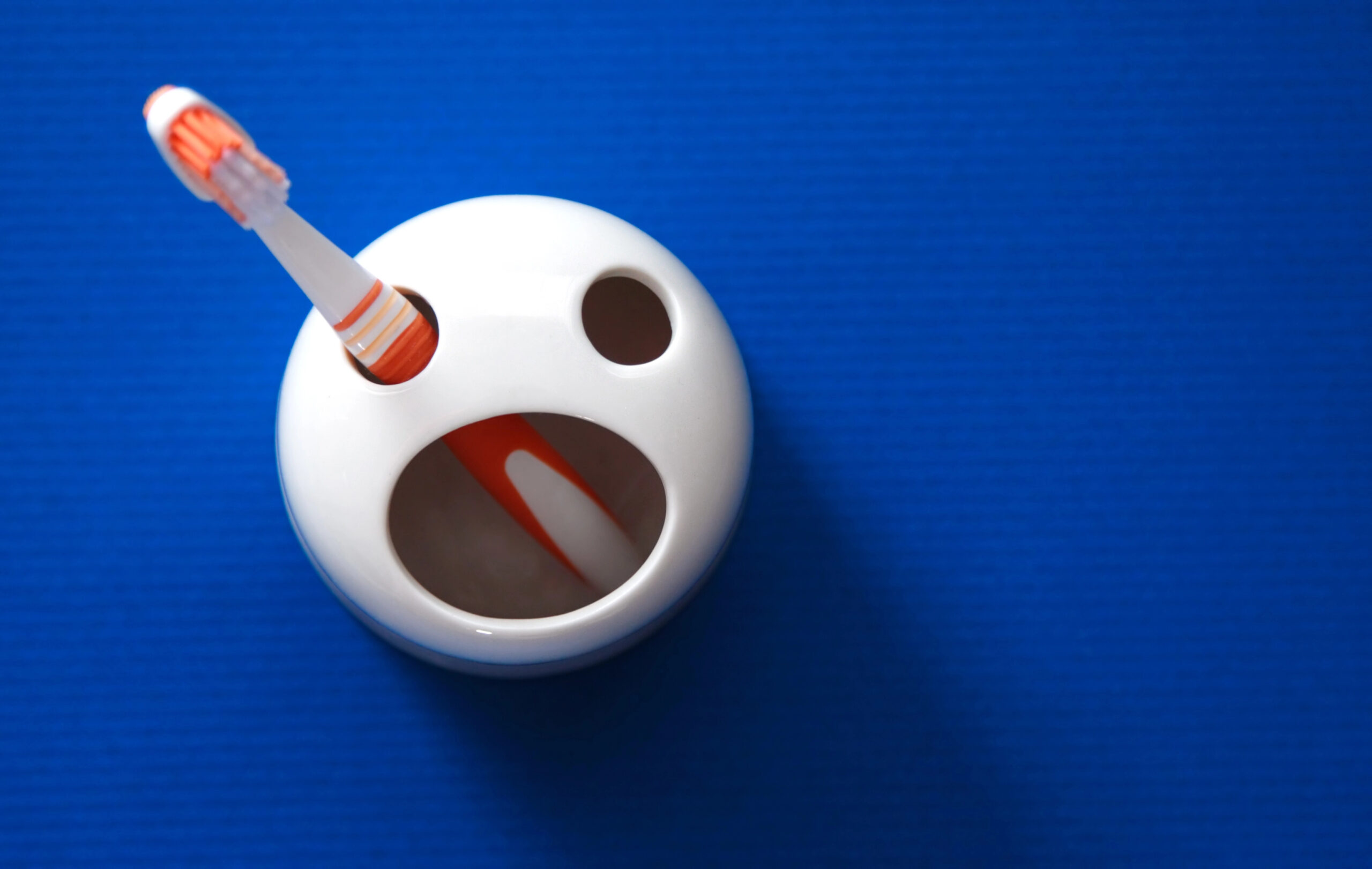 You brush your teeth twice a day, you floss regularly, and you see your dentist for checkups. You probably think you have your oral hygiene routine down to a science. But have you ever stopped to think about where, and how, you store your toothbrush?
It might seem like it’s not a big deal, but the way you store your toothbrush can have a significant impact on your oral health.
Proper storage is simple and comes down to a few key habits. Integrating these practices into your daily routine will help ensure your toothbrush stays clean and effective.
Before you even think about where to store it, make sure your toothbrush is clean. After brushing, rinse the bristles thoroughly with tap water to wash away any remaining toothpaste and food debris. This simple step prevents buildup and keeps your brush fresh for its next use.
After you brush, your toothbrush is wet. Storing it in an upright position allows water to drain away from the bristles and lets air circulate freely, helping it dry out completely. A dry environment is less hospitable to the bacteria, mold, and other bad microbes that thrive in damp conditions.
Every time a toilet is flushed, it releases a plume of microscopic particles into the air. These particles can contain bacteria and viruses that can travel several feet and land on surfaces throughout your bathroom, including your toothbrush. To be safe, store your toothbrush at least two to four feet away from the toilet.
If you live with others, it’s important to prevent cross-contamination between toothbrushes. You should already know that sharing a toothbrush is a big no-no. Storing brushes in a way that they don’t touch is just as important.
To avoid transferring germs, don’t keep toothbrushes together in a single cup and instead use a holder with separate slots for each brush.
Your toothbrush holder is another surface that can accumulate germs and debris. Don’t forget to clean it regularly. Wash it with soap and water or run it through the dishwasher (if it’s dishwasher-safe) ideally once a week to keep it clean.
The American Dental Association recommends replacing your toothbrush approximately every three to four months, or sooner if the bristles become frayed. Worn bristles are less effective at cleaning your teeth and can hang on to more bacteria. A good rule of thumb is to get a new toothbrush each season or sooner.
Just as important as the do’s are the don’ts. Avoiding these common mistakes will protect your toothbrush and your health.
After hearing about “toilet plume,” it might seem like a good idea to put your toothbrush away in a medicine cabinet or drawer, but this is one of the worst things you can do. Enclosed spaces trap moisture and prevent the bristles from drying out, creating a dark, damp environment for bacteria to multiply. Always store your toothbrush in the open air.
Similarly, toothbrush covers that enclose the bristles can also trap moisture and foster bacterial growth. The only time a cover is a good idea is for short-term use during travel to protect the bristles from coming into contact with other items in your bag. Once you reach your destination, take the cover off and let your brush air out.
If you’ve been sick with a cold, flu, or other infection, your toothbrush can hold onto those germs. To avoid the risk of reinfecting yourself or others, it’s a wise practice to replace your toothbrush as soon as you start feeling better. Don’t wait a full 3 months.
Have questions about your oral hygiene routine, or wondering if your habits are effectively protecting your smile? Do ask these questions at your next appointment. Contact our office today to schedule!