


What to Eat (and Avoid) After a Tooth Extraction
Having a tooth removed is rarely anyone's idea of a good time, but if you are having an extraction, you may wonder if you’ll need to eat differently and for...
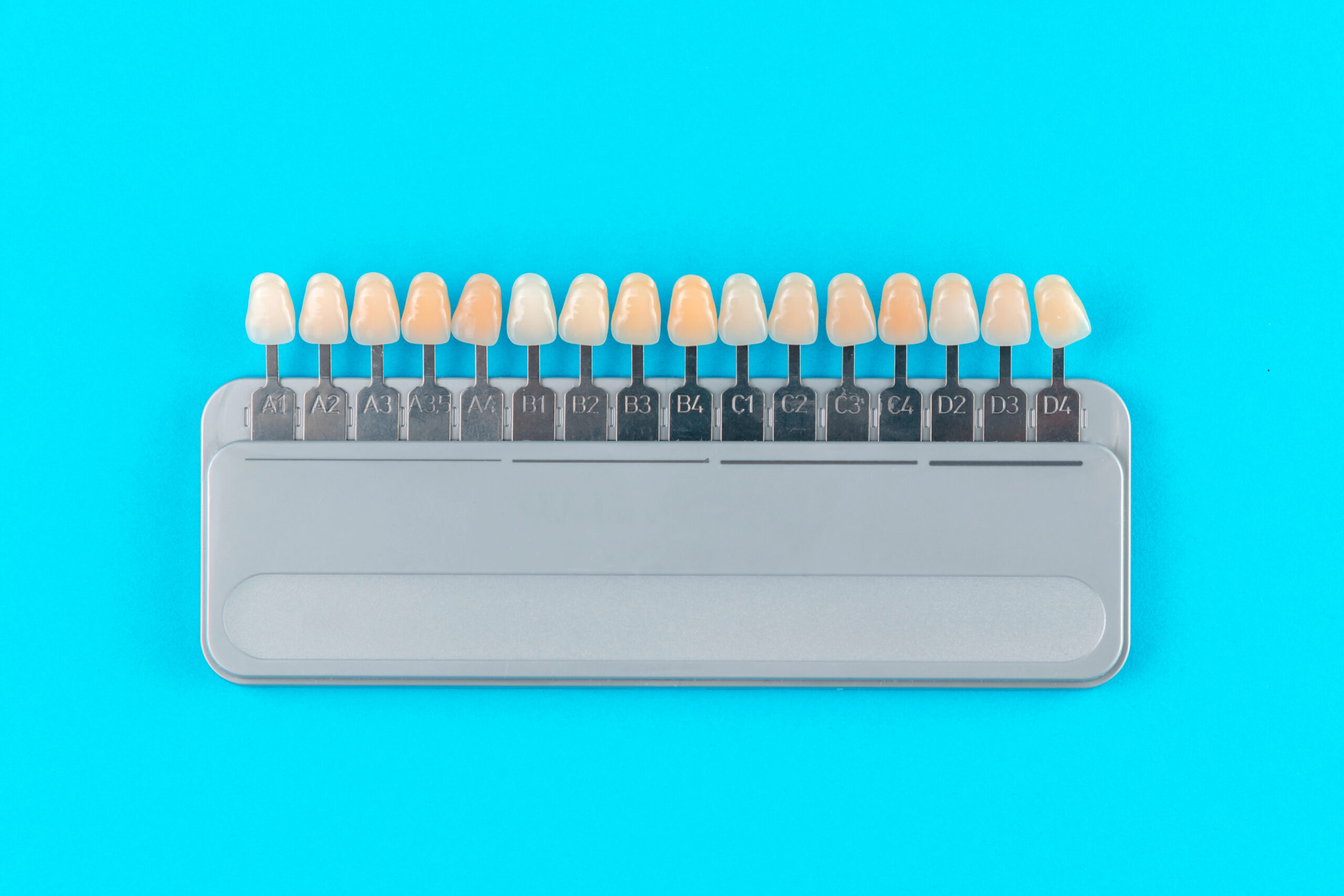
When it comes to your teeth, not all tooth discoloration is the same. Understanding what type of discoloration you see can be key to choosing the most effective solution, as well as protecting your oral health. We’ll break down the most common types of tooth discoloration, what they look like, what might be causing them, and, of course, the treatment options to consider (hint: it’s never over-the-counter strips).
When you research stained teeth online, you will frequently see the terms “intrinsic” and “extrinsic.” Extrinsic stains sit on the outer surface of the tooth, while intrinsic stains develop deep inside the tooth structure. While this is important, it does not really help you identify what is happening when you look at your own smile.
In real life, your teeth can look yellowish or grey, or may develop white or brown spots. Each of these changes points to a different root cause. And by identifying the type of discoloration you have, we can determine the safest, most effective way to treat your stains while protecting your enamel.
Tooth yellowing is by far the most common type of tooth discoloration. Underneath the hard, white outer enamel of your tooth is dentin, which is naturally a more yellowish color. As we age, our enamel slowly wears down and becomes thinner. At the same time, the dentin inside the tooth may become slightly darker. As this occurs, the dentin begins to show through, giving the entire tooth a yellowish appearance.
Additionally, everything you eat and drink touches your enamel. Highly pigmented, acidic beverages like coffee, dark soda, red wine, and black tea penetrate the microscopic pores of your teeth. Over time, these can deposit yellow pigments on the tooth’s surface.
Because yellowing is often caused by surface stains or natural aging, the best solution is a professional whitening treatment such as BriteSmile, which breaks down deep-set stains much more effectively than over-the-counter strips.
While yellowing usually affects the whole smile evenly, brown discoloration often appears as specific spots. If you notice brown discoloration, it is usually linked to one of these common culprits:
If your stains are from tartar, a professional dental cleaning may be all that’s needed. For tobacco stains, BriteSmile professional whitening can lift the accumulated discoloration. If the brown spot is caused by decay, after treating the cavity, dental bonding can restore the tooth. Lastly, for stubborn, widespread stains, veneers can be an option to consider for a full smile makeover.
It might sound strange to complain about white spots on your teeth (white is good, right?), but bright spots that stand out against the rest of your smile can be unsightly. They are also a sign of changes in the mineral composition of your enamel.
One of the most frequent causes of white spots is early demineralization. Weak spots can be whiter than the rest of the tooth’s surface and can indicate an early-stage cavity.
Another common cause of white discoloration is fluorosis. While fluoride is generally regarded as beneficial for building strong teeth, if we have too much fluoride while teeth are still developing, it can alter how the enamel forms. Fluorosis typically presents as faint white streaks or lines on the surface of the teeth.
Unfortunately, standard whitening can sometimes make white patches stand out even more. Instead, bonding or veneers may be the better option.
In some cases, an old, large silver filling can cause a tooth to look grey. Over many years, the metal filling can slowly leak microscopic metallic particles into the surrounding dentin, tinting the entire tooth grey. Certain medications can also cause greying. If neither of these is the case, however, it is imperative to see a dentist right away to rule out traumatic damage or severe decay.
When a tooth sustains a traumatic injury, just like your skin bruises, blood vessels inside the tooth can burst. Blood leaks into the inner tooth structure, giving the tooth a dark appearance.
Without trauma, a greying or blackened tooth can indicate severe, widespread decay. In this case, the color change may mean the nerve inside the tooth has died. Your tooth may be in serious danger of infection, and a root canal may be recommended.
If a single tooth turns grey, blue, or even blackish, it could require immediate dental attention. Unlike yellow or brown stains caused by food and plaque, a grey tooth is almost always an internal structural issue. After treating the underlying issue, we can discuss cosmetic restorations, including same-day crowns, to restore the tooth’s structure and appearance.
Because different types of discoloration require entirely different treatments, a professional evaluation is the best way to get the most effective whitening results. Reach out to schedule your appointment today.