


Why Your Teeth Hurt When the Weather Changes
Have you ever stepped outside into the cold and felt a sudden, sharp pain shoot through one of your teeth? It might feel random, but weather-related tooth pain is a...
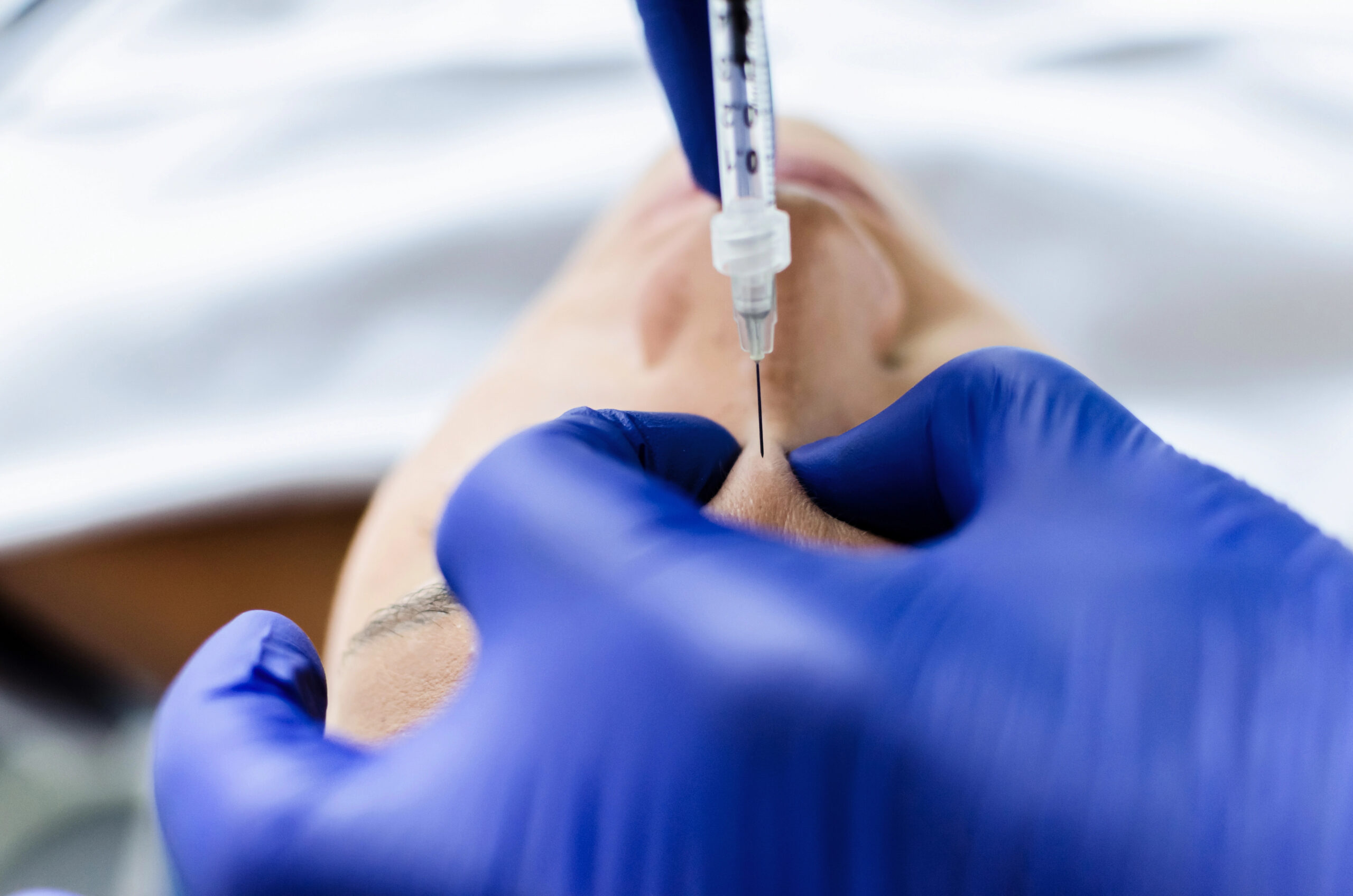
You may have noticed that we offer Botox and dermal fillers here at our practice. And if your first reaction was to ask, “My dentist does Botox!?” you’re not alone. It surprises a lot of people, but when you think about it, it actually makes sense.
Let’s take a closer look at the connection between injectable treatments and dentistry, how it differs from cosmetic Botox at a med spa, and why your dentist may be one of the most qualified people to administer it.
Botox is the brand name for a purified form of botulinum toxin, a protein that temporarily relaxes targeted muscles by blocking the nerve signals that cause them to contract. The effects typically last three to six months, after which the treated muscles gradually return to normal function.
Most people associate Botox with smoothing wrinkles, and for good reason. The forehead, the space between the brows, and the corners of the eyes are all areas where muscle movement over time contributes to fine lines and creases. Botox targets exactly those muscles.
When most people think of Botox, they picture a medical spa or aesthetics clinic focused on cosmetic results. In that setting, the only goal is typically appearance and anti-aging. These treatments are often administered by an aesthetician, with the focus on achieving a refreshed, more youthful look.
Dental Botox shares the same injectable product and the same basic mechanism of action, but the expertise behind it is quite different.
Dentists have an exceptionally deep understanding of the anatomy of the face, jaw, and oral structures. They spend years studying how the muscles around the mouth, cheeks, and eyes move and interact, which translates directly into precise, well-placed injections for cosmetic treatment.
We offer Botox for cosmetic purposes, treating the fine lines and wrinkles that are a natural part of aging around the face. Common treatment areas include:
We also offer dermal fillers alongside Botox. While Botox relaxes the muscles that cause movement-related wrinkles, fillers like Juvederm restore volume and hydration to areas where skin has lost its natural plumpness, such as around the mouth and lips. Together, the two treatments address the two main causes of facial aging: muscle movement and volume loss.
When you receive Botox from a dentist, you are getting care from a provider who understands the muscles of your face at a level that goes well beyond surface appearance. After years of training focused on the muscles, nerves, and tissues of the head and neck, a dentist is exceptionally familiar with the treatment areas typically associated with cosmetic Botox. They are also highly practiced in administering precise injections in and around the mouth, which is one of the most delicate and expressive parts of the face.
There’s also something to be said for convenience and comfort. If you already trust your dentist with your smile, it can feel natural to extend that trust to the surrounding area. You’re working with someone who already knows your facial structure well, in a setting you’re already familiar and comfortable with.
If you are curious about Botox or dermal fillers and whether they might benefit you, consider exploring these cosmetic treatments with your experienced and trusted dental health care provider. We are happy to walk you through your options, discuss which areas might benefit most, and help you decide if it is a good fit for your goals. Call us today to schedule a consultation!