


How Dentures and Implants Compare In the Long Run
Dentures and dental implants both replace missing teeth effectively, but they age differently over the years. What looks like a simple upfront choice can have a bigger impact down the...
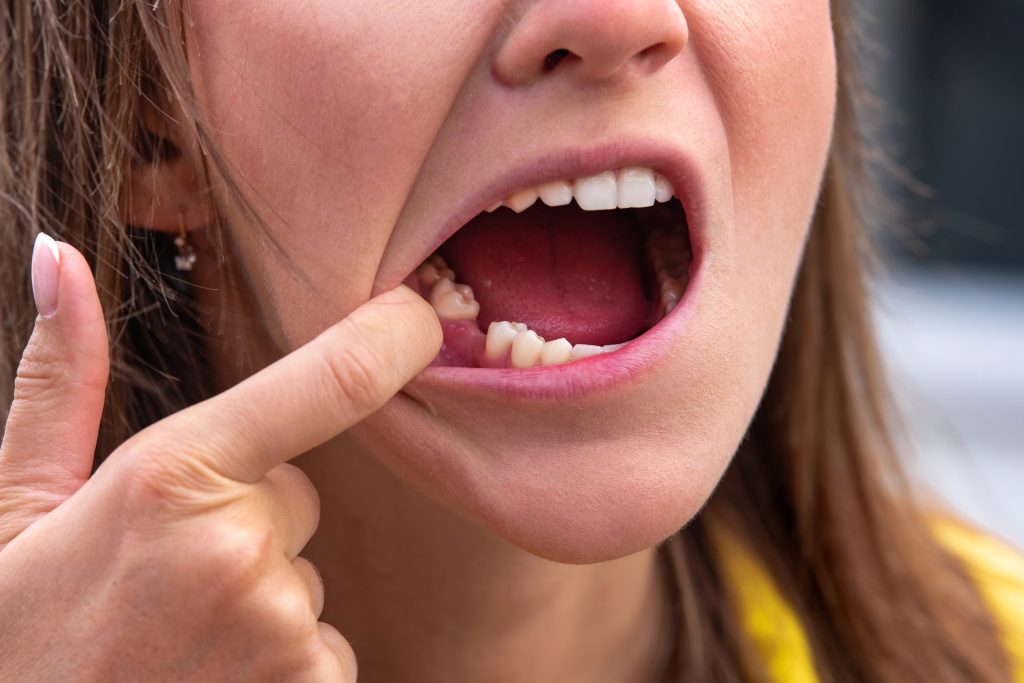
Losing a tooth is just losing a tooth, right? Your gums heal, and you have a gap in your smile, but is that really the end of the story?
Unfortunately, it doesn’t end there. Beneath the surface, your jawbone responds to that missing tooth in ways you may not notice right away. Over time, those changes can affect more than just your smile.
Understanding what’s really going on can help you make a more informed decision about whether, and how, to replace a missing tooth.
It might seem like your jawbone is just a fixed structure that holds your teeth in place, but it’s actually living tissue that responds to the things happening around it. One of those things is force. Every time you bite and chew, the roots of your teeth send signals to the bone, telling it to remain dense and stay put.
When a tooth is lost, that stimulation disappears. Without it, your body starts to treat that section of bone like it is no longer needed, and it begins to shrink. This process is called bone resorption, and it starts soon after a tooth is gone.
Bone loss after tooth loss doesn’t happen overnight, but it also doesn’t take as long as most people expect. A significant amount of bone width can be lost within the first year after extraction, and the process continues gradually after that if the tooth is never replaced.
While it may not be noticeable by looking at your face (at least not at first), upon close inspection, a dental professional can observe bone loss. The bone loss tends to be most noticeable in two directions:
This is one of the reasons dentists often recommend addressing a missing tooth sooner rather than later. The longer the gap is left untreated, the more bone is typically lost.
Jawbone loss doesn’t just stay contained to the missing tooth’s old spot. As the bone changes shape, it can affect the rest of your smile and even your facial structure.
Neighboring teeth often start to drift toward the open space, since they no longer have a tooth on either side keeping them in position. This can lead to crowding, bite problems, and a higher risk of decay in areas that become harder to clean.
As teeth shift and bone changes shape, your bite can become uneven. Some patients find that chewing becomes less comfortable, or that pressure isn’t distributed the way it used to be. IN addition to discomfort, a misaligned bite can cause uneven wear of tooth surfaces, trouble chewing, and even additional bone loss.
Because your jawbone helps support the structure of your lower face, significant bone loss can eventually lead to a sunken or collapsed look around the mouth and cheeks. This is a common concern for patients who have been missing teeth, especially multiple teeth, for an extended period.
The good news is that replacing a missing tooth can help stop further bone loss in its tracks. Dental implants are particularly effective, since the implant post acts similarly to a natural tooth root, providing the jawbone with the stimulation it needs to stay strong.
Other tooth replacement options, like a bridge or partial denture, can restore your smile’s appearance and function. Though they don’t provide that same direct stimulation to the bone underneath, they can help to hold neighboring teeth in place and prevent bite issues.
Many patients put off replacing a missing tooth because they don’t notice an immediate problem. The gap might not bother them cosmetically, or they may not be experiencing pain. But bone loss is happening quietly in the background, regardless of whether it’s visible yet.
By the time changes become noticeable, like shifting teeth or a different bite, a fair amount of bone has often already been lost. That can make future treatment, like dental implants, more complex, since implants rely on a certain amount of healthy bone for support.
If you’re missing a tooth, the most important step is simply not waiting too long to address it. The sooner the gap is filled, the more of your natural bone structure you’re likely to preserve.
If you have questions about tooth replacement or want to find out which option is right for you, schedule a visit with us today.