


Is it Normal for a Child to Lose Teeth Out of Order?
Maybe your second child seems to be losing teeth in a different order than their older sibling, or maybe you are just curious what to expect with you first, but...
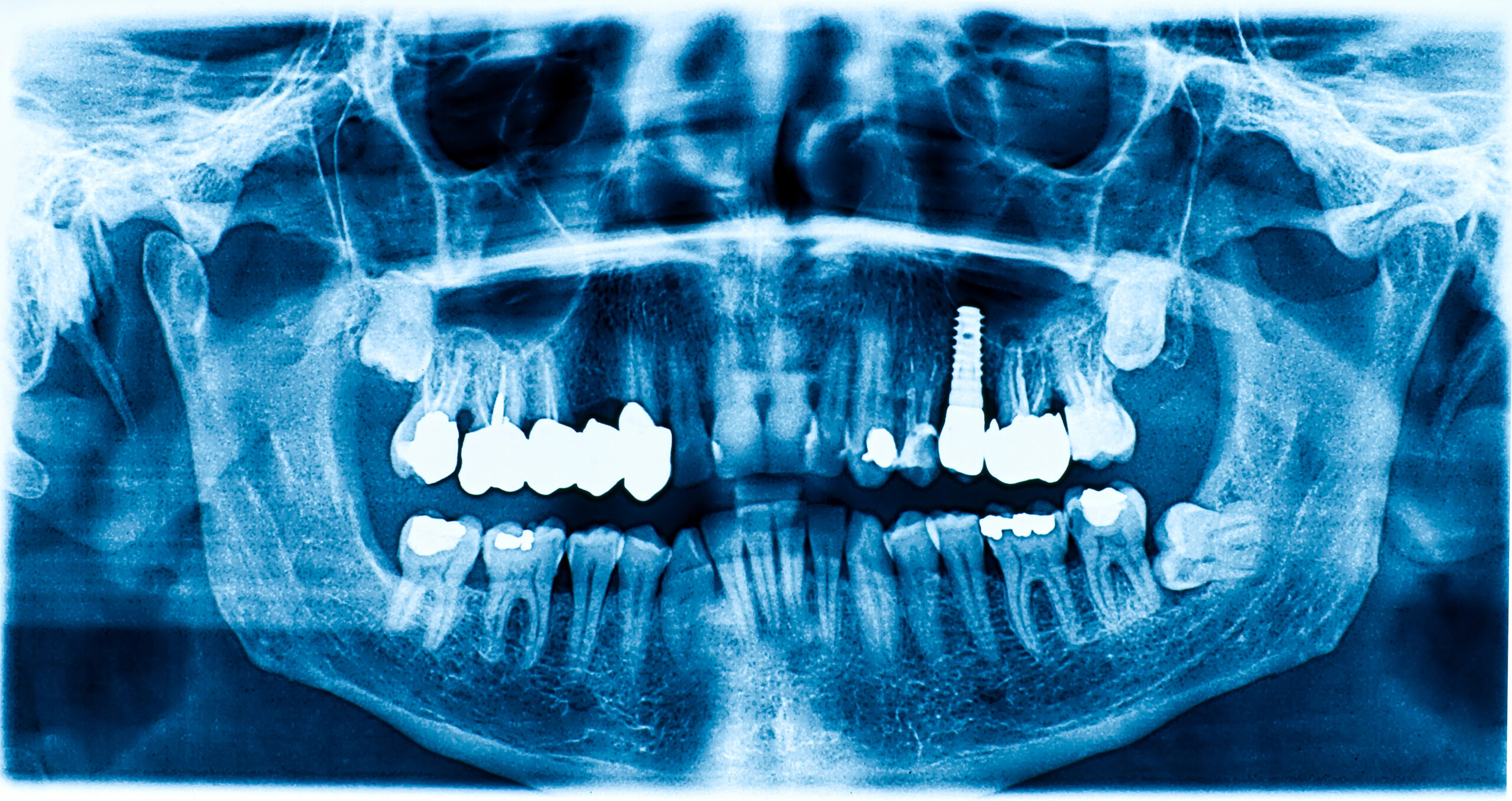
Dental implants have become one of the most reliable and effective ways to replace missing teeth, restoring both function and appearance for years to come. But if you are considering implants for your upper teeth, does that affect your sinuses?
The short answer is that yes, there is a real anatomical connection between your upper jaw and your sinuses, and it is something we carefully account for during treatment planning. Let’s take a closer look at why this connection exists, what it means for your implant procedure, and how we make sure your sinuses stay protected throughout the process.
Your maxillary sinuses are air-filled spaces located behind your cheekbones, just above the roots of your upper back teeth. In many people, the roots of the upper molars and premolars sit very close to the floor of the sinus cavity, sometimes separated by only a thin layer of bone.
When a tooth in this area is lost, the bone that once supported it begins to gradually resorb, or shrink, over time. This natural process can sometimes cause the sinus floor to drop lower into the space where the tooth used to be, a phenomenon known as “sinus pneumatization.” The longer a tooth has been missing, the more pronounced this effect can become.
This is important because dental implants rely on a sufficient amount of healthy bone to anchor securely in the jaw. If the bone in this area has thinned significantly, there may not be enough structure to support an implant without first addressing the sinus relationship.
Before any implant procedure, we use 3D imaging to get a precise, detailed view of your jaw and sinus anatomy. This technology allows us to measure exactly how much bone is available and how close the sinus floor sits to the planned implant site.
This step allows us to identify potential complications before they happen, rather than discovering them mid-procedure. With this information, we can determine whether your case requires any additional preparation or whether you are a good candidate for implant placement.
In some cases, a procedure called a sinus lift can be used to build up the bone in this area and create a more suitable foundation for an implant. This is a well-established procedure, though it is not the right fit for every patient, and it is just one of several paths forward depending on your anatomy and goals.
If an implant isn’t the most predictable choice for your specific anatomy, you have other reliable ways to replace a missing upper tooth.
During your consultation, we will walk you through which of these options makes the most sense based on your specific anatomy, the location of the missing tooth, and your long-term goals.
While the anatomical relationship between your upper teeth and your sinuses is real, complications are uncommon when treatment is properly planned. The most frequent issues we watch for include:
This is precisely why thorough imaging and careful planning are so important before any treatment near this area moves forward.
In the rare event that a sinus-related issue does develop, it is helpful to know what to watch for. Symptoms can include:
If you experience any of these symptoms after dental treatment, it is important to let us know right away so we can evaluate and address the issue promptly.
If you are missing an upper tooth and want to understand your options, we would be happy to walk you through everything during a consultation, including a look at your 3D imaging. Call our office today to get started.