


Why Do I Need to Take Care of My Disposable Toothbrush?
You replace your toothbrush every three to four months, just like your dentist recommends. So why does it matter how you treat it in between? After all, you're going to...
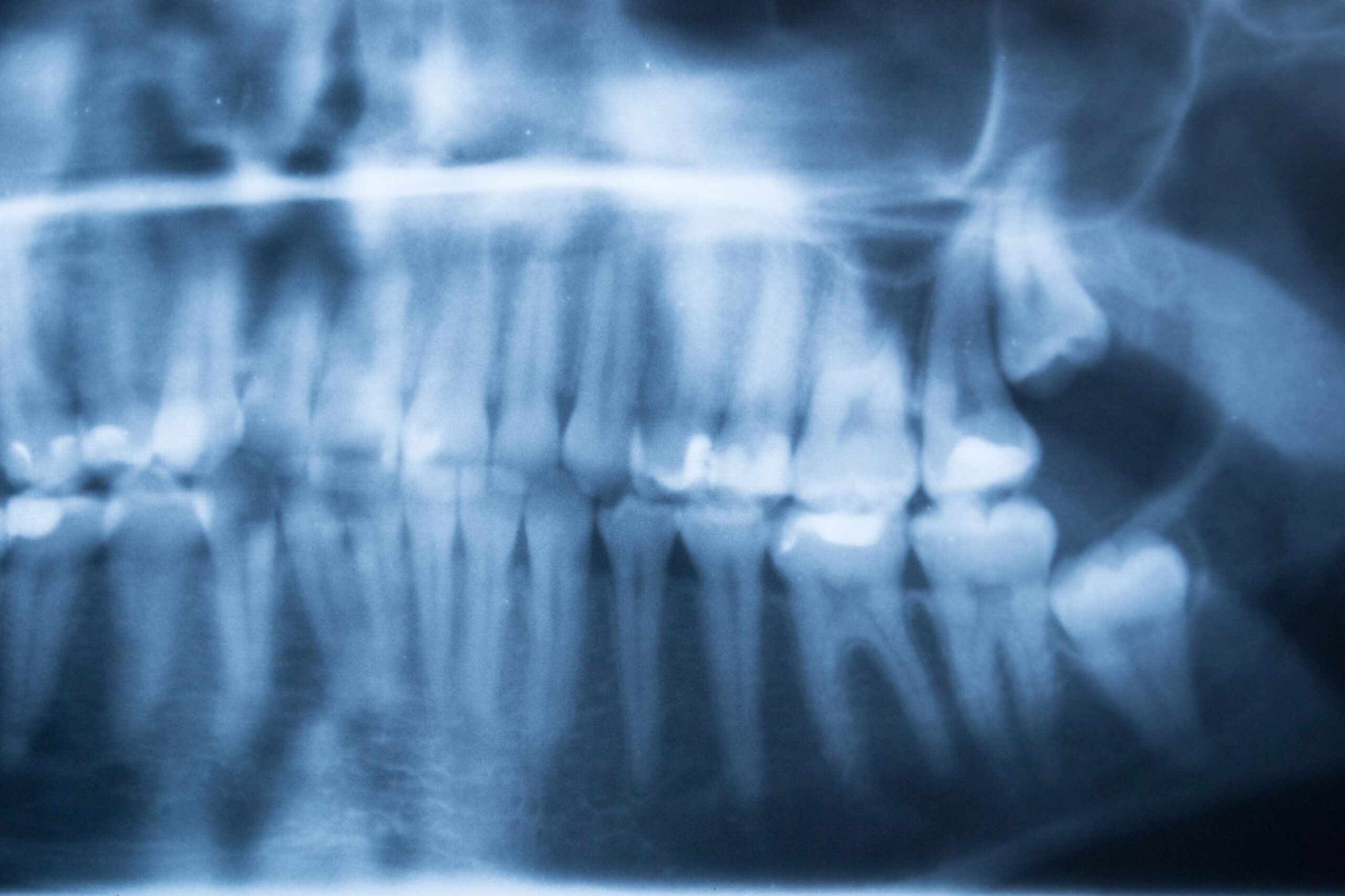
When we talk about wisdom teeth, sometimes the first thought is extraction. And, while the fact is that removal of wisdom teeth is common, it isn’t necessarily inevitable.
Let’s talk about some of the complications many face from problematic wisdom teeth, and when it is safe, and even preferred, to keep them.
Wisdom teeth typically emerge between the ages of 17 and 25. They are the last four molars to develop and are located at the very back of the mouth. For some, these teeth grow in correctly, are healthy, and cause no problems. For others, they can lead to a host of dental issues. How can you know the difference, and should you get them removed “just in case”?
It is a common misconception that all wisdom teeth must be removed. In reality, if your wisdom teeth are healthy and properly positioned, it may be perfectly safe to keep them. This is often the case when there is enough room in the jaw for them to come in fully without affecting the neighboring teeth.
Healthy wisdom teeth that can be safely kept generally meet the following criteria:
If these conditions are met, your wisdom teeth can function just like your other molars. Because they pose no immediate risk to your oral health, the risks (although they are quite minimal) of removal outweigh the risk of retaining them. Of course, regular dental check-ups are important to continue monitoring them over time.
While some people can safely keep their wisdom teeth, many others require removal to prevent or address dental problems. The recommendation for extraction is usually based on the position of the teeth and the potential harm they could cause.
One of the most common reasons for removal is impaction. An impacted wisdom tooth is one that does not have enough room to emerge normally. It may grow at an angle, only partially emerge through the gums, or remain completely trapped within the jawbone.
Impacted wisdom teeth can lead to several complications, including pain and swelling, infection, and damage to other teeth.
Even if your wisdom teeth are not impacted, they can still cause problems. If your jaw is not large enough to accommodate them, their emergence can cause your other teeth to shift. This can lead to crowding, which can undo previous orthodontic work or create new alignment issues. Crowded teeth are also more difficult to clean, which increases the risk of tooth decay and gum disease.
Because of their location at the very back of the mouth, wisdom teeth can be hard to reach with a toothbrush and floss. Even if they have erupted properly, this difficulty in cleaning can lead to plaque buildup, cavities, and gum disease. In these situations, removing the teeth may be the best way to protect your long-term oral health.
If you and your dentist decide that it is safe to keep your wisdom teeth, it is important to monitor them closely. Oral health can change over time, and a tooth that is healthy today could develop problems in the future.
The most important step you can take is to maintain your regular dental check-ups. During these appointments, we will examine your wisdom teeth and take X-rays to monitor their position and health. These routine evaluations allow us to identify any potential issues before they become serious problems.
If you have questions about keeping or possibly extracting your wisdom teeth, schedule an appointment to discuss your options today!