


How Dentures and Implants Compare In the Long Run
Dentures and dental implants both replace missing teeth effectively, but they age differently over the years. What looks like a simple upfront choice can have a bigger impact down the...
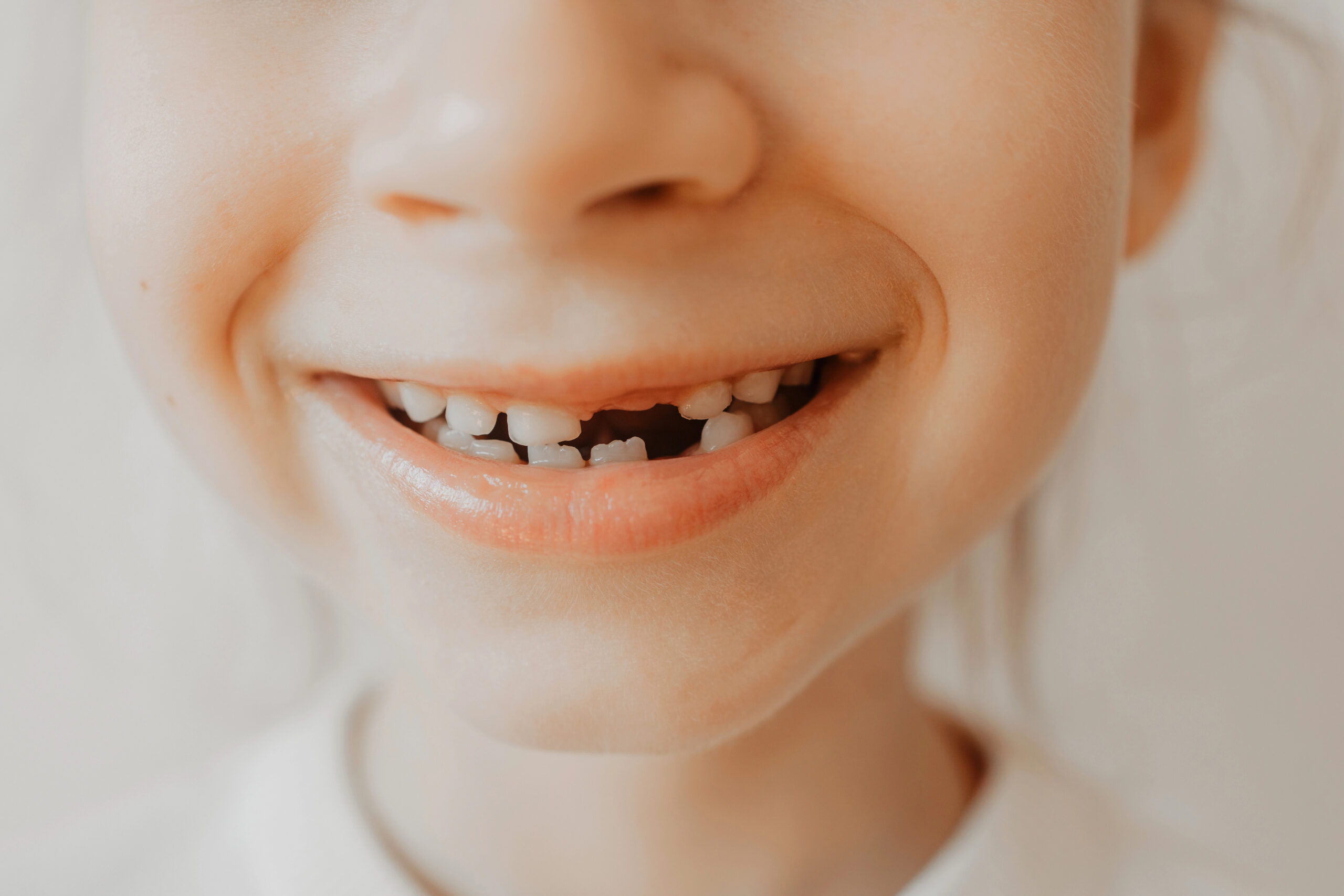
Maybe your second child seems to be losing teeth in a different order than their older sibling, or maybe you are just curious what to expect with you first, but asking this question is common.
The truth is, while this is a common pattern to losing baby teeth, it doesn’t always follow the textbook timeline, and that’s usually nothing to worry about.
Most children do lose teeth in a fairly recognizable sequence. It typically starts with the lower, then upper front teeth (the central incisors) around age 6 or 7, followed by the lateral incisors, then the first molars, canines, and finally the second molars, usually wrapping up somewhere between ages 10 and 12.
That said, “typical” is a range, not a rule. Some children start losing teeth as early as 4, while others don’t lose their first tooth until 7 or later. The order can shift around within that general pattern too, especially since baby teeth on the left and right sides don’t always fall out at exactly the same time.
Tooth loss happens because a permanent tooth developing underneath the gum line gradually resorbs the root of the baby tooth above it. Once enough of that root has dissolved, the baby tooth loosens and falls out. That process depends on the position and development of the permanent tooth beneath it, which varies from child to child and even from tooth to tooth.
Genetics play a large role here. If you or your child’s other parent lost teeth early or in an unusual order, there’s a good chance your child will follow a similar path. Jaw size, overall growth rate, and even minor trauma to a tooth (like a fall during toddlerhood) can also nudge the timeline in one direction or another.
A molar or canine coming loose before a lateral incisor, teeth on one side of the mouth shedding well before the matching tooth on the other side, or a child losing their first tooth a year or two outside the “average” window are all things we see regularly. None of these on their own suggest a problem.
What matters more than the exact sequence is whether the permanent teeth are erupting to take their place in a reasonable timeframe, and whether your child’s overall dental development looks healthy on exam.
While variation is normal, there are a few situations where it makes sense to have us take a look sooner rather than waiting for the next regular visit.
These situations don’t necessarily mean anything serious is happening, but they’re worth mentioning to your child’s pediatric dentist during their regular dental check-up.
That said, if your child ever experiences significant discomfort, noticeable swelling, bleeding that won’t stop, a baby tooth that has broken up and doesn’t fully come out, or a tooth is knocked out or loosened due to a fall or injury, it calls for an emergency appointment.
Baby teeth may be temporary, but they hold space for permanent teeth and guide how they come in. This is exactly why we like to see kids for checkups every six months. During a routine exam, we can track how your child’s teeth and jaw are developing over time, not just react to what’s loose or missing at any one visit.
If a tooth’s timing looks unusual, we’ll be able to tell you whether it’s a normal variation for your child or something that calls for monitoring.
If you have questions about your child’s dental development or it’s been a while since their last visit, we’d love to see them. Give us a call to schedule an appointment.